 Khounsub Travel
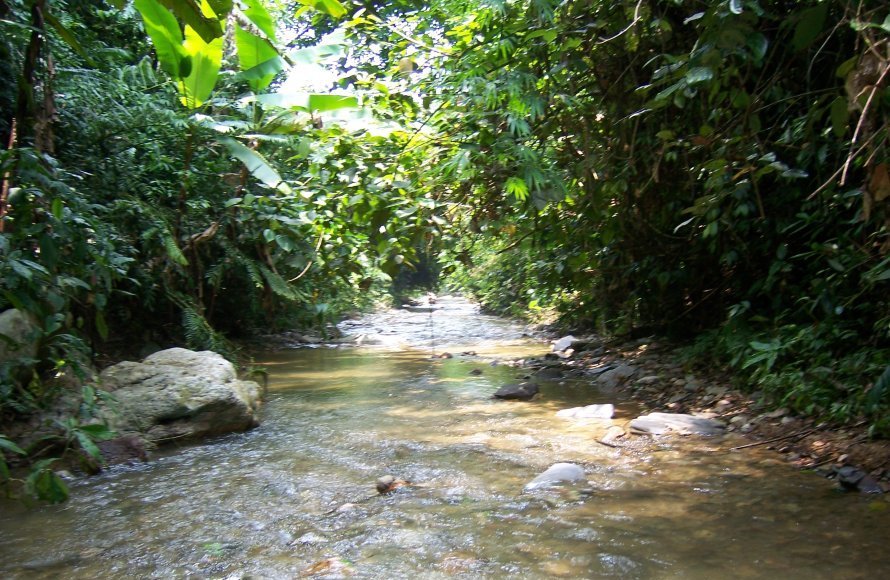
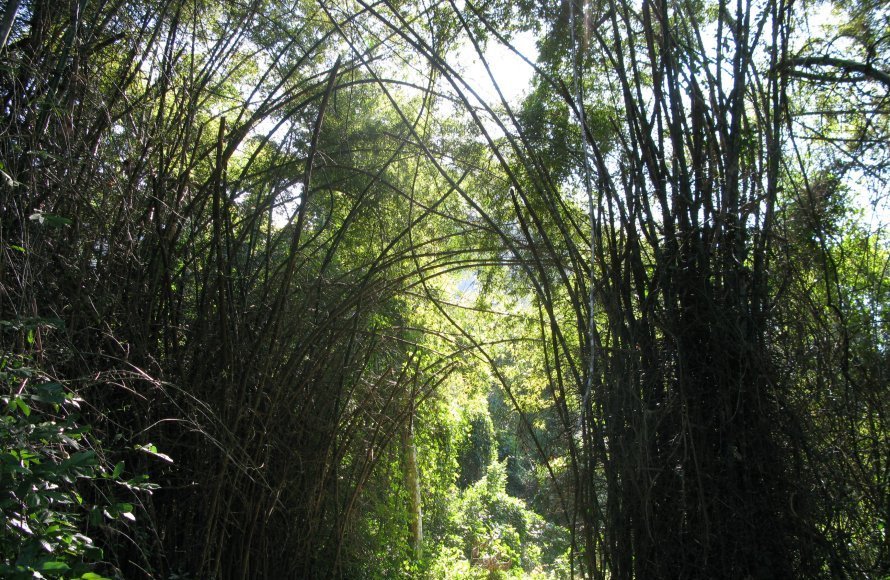
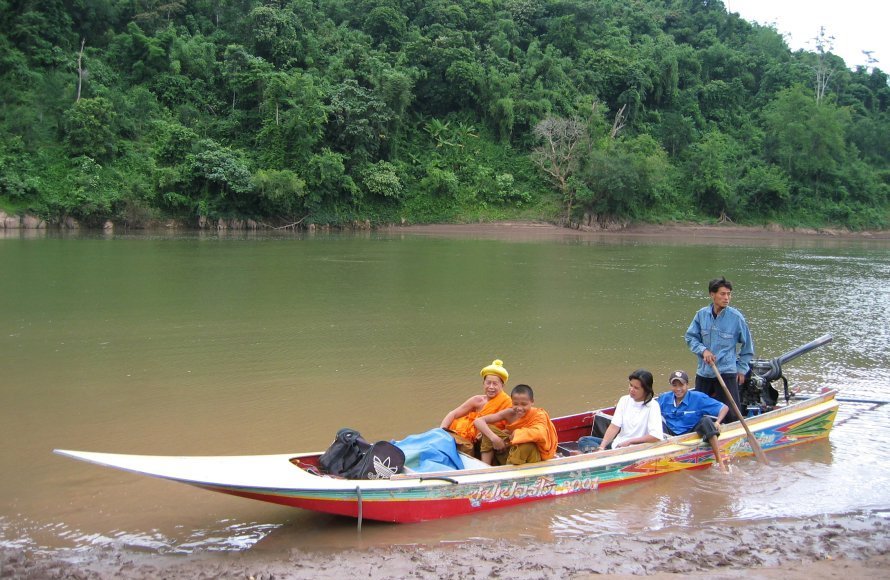
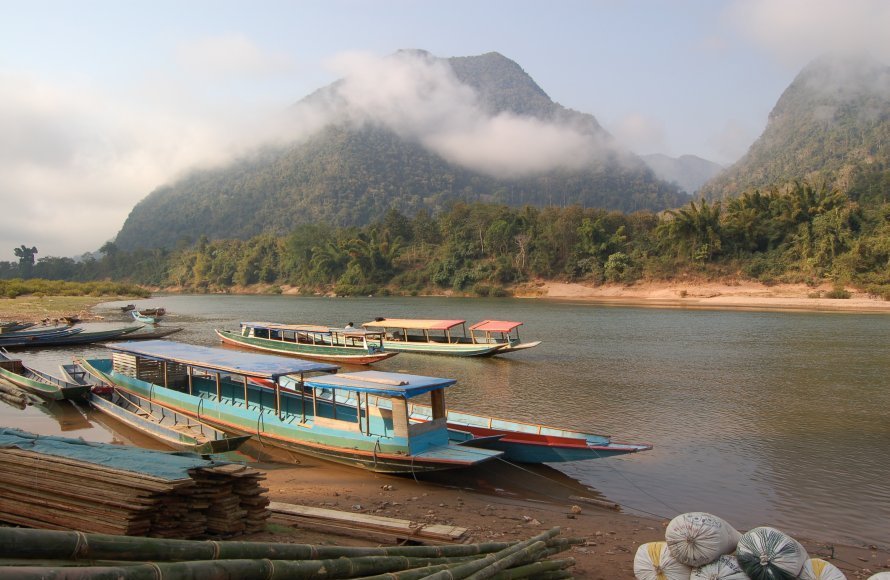
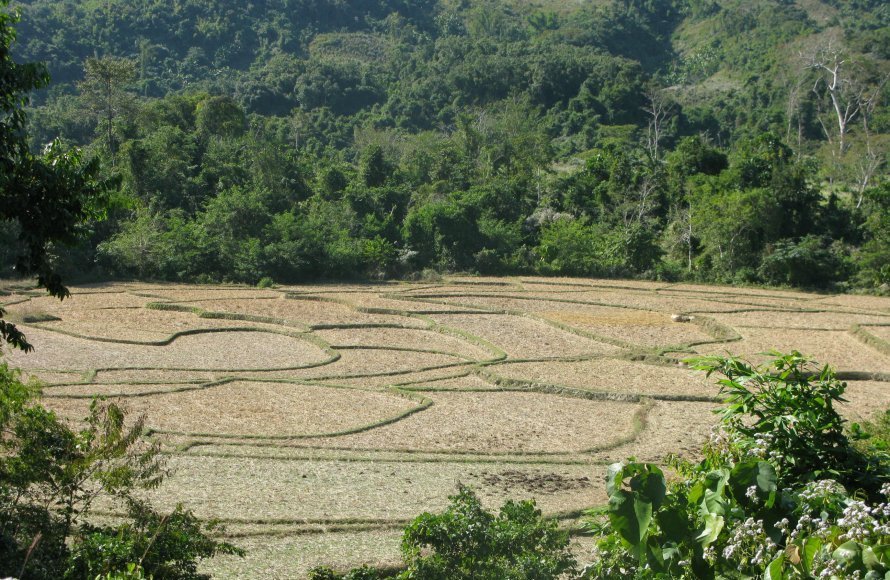
There is a certain magic that settles over you when you walk through a Lao forest. The air is thick with the scent of damp earth and wild frangipani. The cacophony of cicadas fills your ears, punctuated by the distant call of a gibbon. Above, the canopy filters the sunlight into a dappled, emerald glow. This is not just a walk in the woods; this is an immersion into one of South-east Asia’s last true wildernesses.
For the adventurous traveller, trekking in Laos offers something increasingly rare: authenticity. While neighbouring countries have paved their paths to progress, Laos has remained gloriously, ruggedly untamed. Lace up your boots, and let us take you off the beaten track.
Into the Wild: Luang Namtha and the North
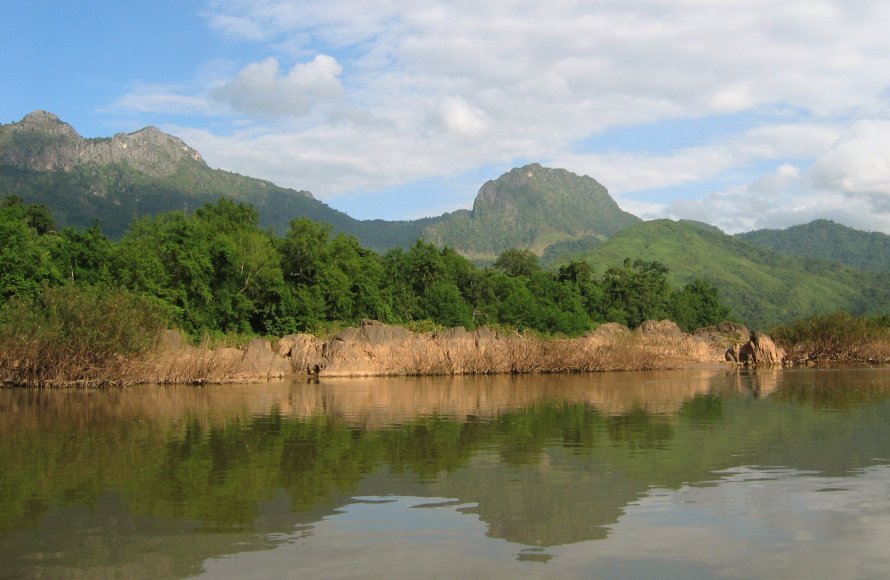
The undisputed trekking capital of Laos is Luang Namtha, gateway to the magnificent Nam Ha National Protected area. This UNESCO-listed reserve is a biodiversity hotspot, a sprawling emerald expanse of primary rainforest, cloud-swept mountains, and hidden river valleys. Here, trekking is not just a physical challenge; it is a journey into a living ecosystem. Your guide — almost always a local with generations of forest knowledge — will point out medicinal plants used to cure fevers, show you the scratch marks of a sun bear on a tree, and perhaps even help you spot the tell-tale movement of a crested argus pheasant in the undergrowth.
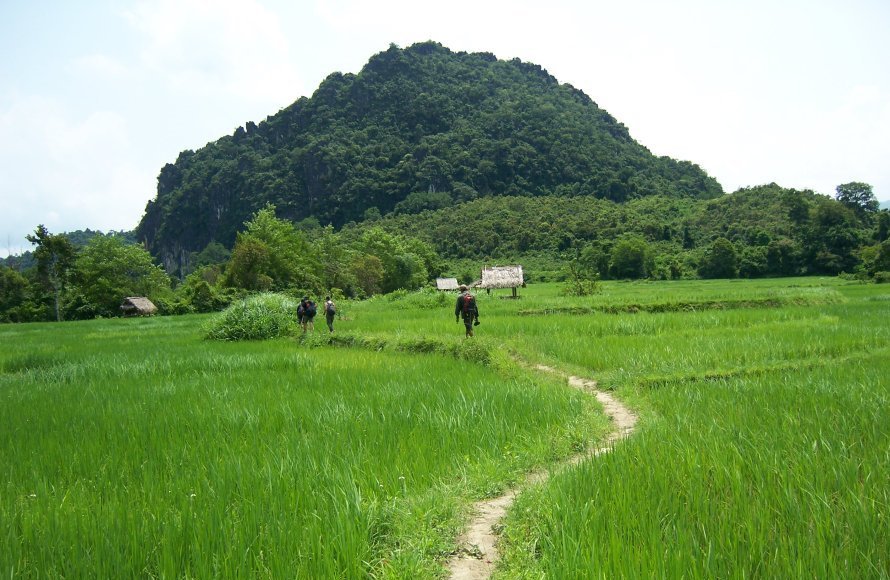
Trekking here ranges from gentle one-day village walks to multi-day expeditions that push deep into the jungle. You will cross streams by precarious log bridges, ascend ridges that offer panoramic views of endless green stretching to the horizon, and descend into valleys where the only sounds are the rush of water and the whisper of the wind.
Meeting the Mountain People
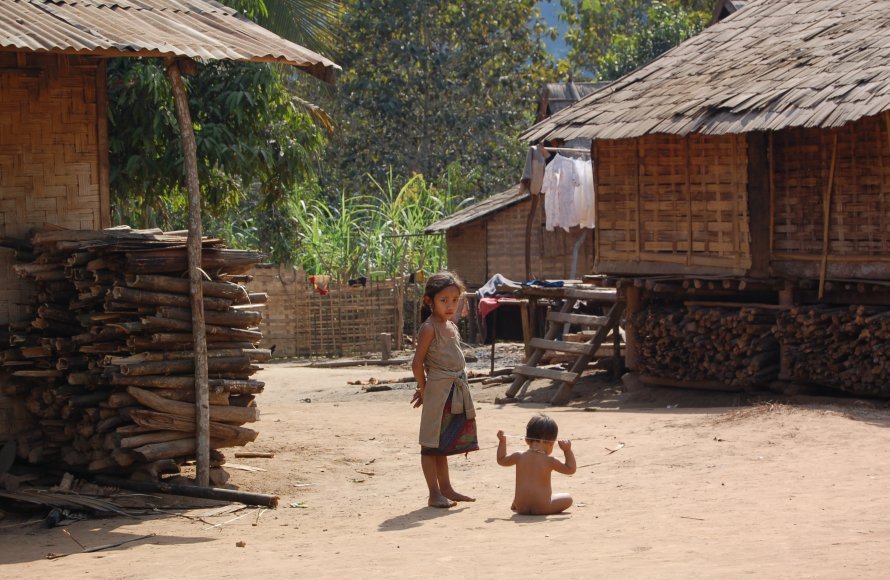
But the true heart of a Lao trek lies not in the landscape, but in the people who call it home. The northern highlands are a cultural mosaic of ethnic minorities — the Akha, with their elaborate silver headdresses; the Hmong, known for their vibrant textiles and fierce independence; the Khmu, the original inhabitants of the land, whose knowledge of the forest is unparalleled.
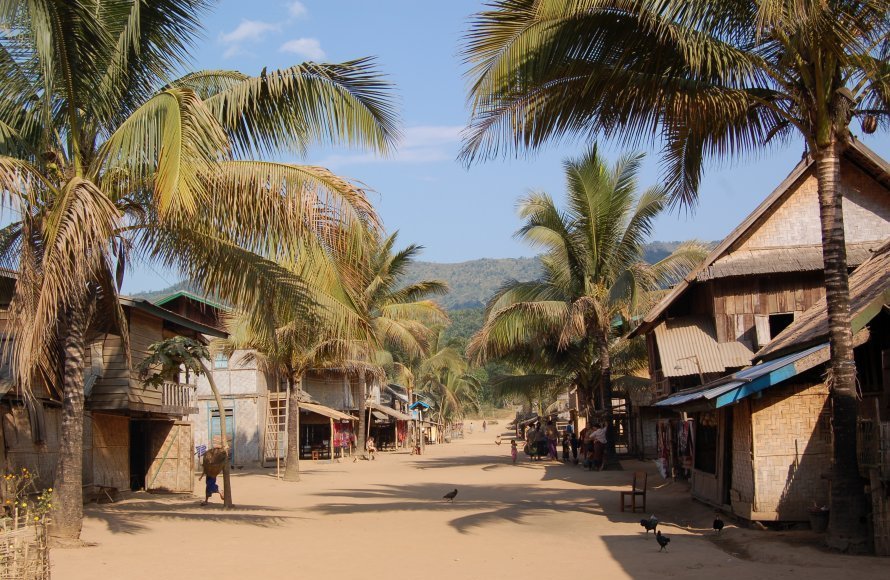
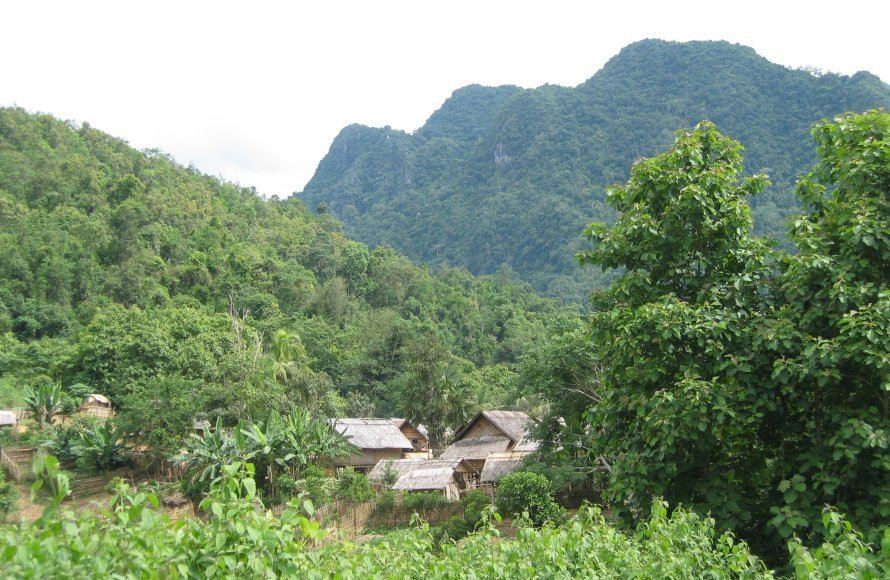
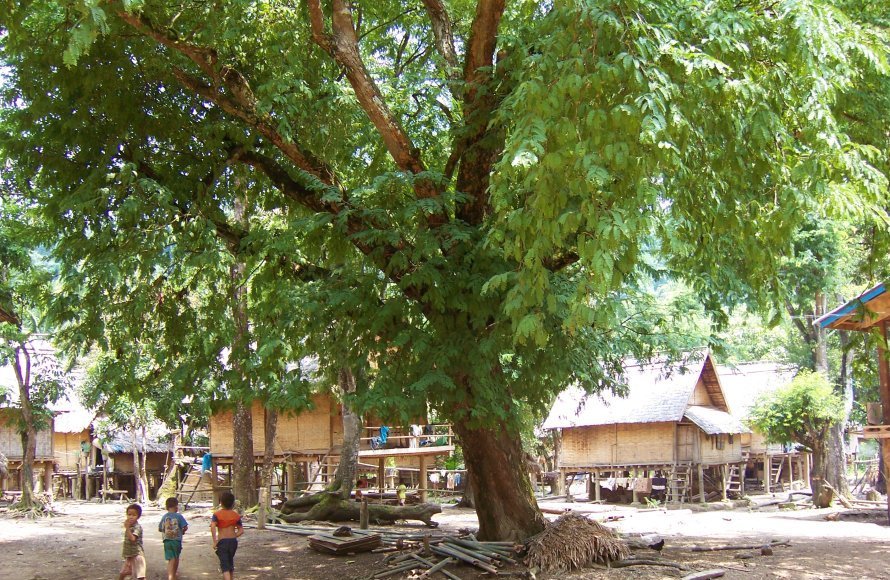
Our treks are designed to bring you into their world, not as a spectator, but as a guest. You will arrive in a village as the sun begins to set, its wooden stilt-houses clustered on a hillside. Children will giggle and wave. The smell of wood-smoke and simmering stew will fill the air. This is not a staged performance; this is real life.
You will stay overnight in a simple home-stay, sleeping on a mattress beneath a mosquito net in a family’s home. You will share a dinner of river fish, sticky rice, and spicy "Jaew Bong" (chilli paste) by the light of a kerosene lamp. You will learn to weave bamboo or pound rice with the women. As the fire crackles and the stars blaze overhead, you will experience a warmth of hospitality that no five-star hotel can replicate. It is a cultural exchange that will linger in your memory long after the trekking blisters have healed.
The Bolaven Plateau: Waterfalls and Coffee
In the south, the trekking experience takes on a different flavour. The Bolaven Plateau is a cool, fertile upland region famed for its dramatic waterfalls and its rich, dark coffee. Here, treks wind through lush tea and coffee plantations, past the crashing cascades of Tad Fane and Tad Yuang, and into villages inhabited by the Laven, Alak, and Katu people. The landscape is softer, the trails often easier, and the reward at the end of the day is a cup of some of the world’s finest arabica, grown literally where you walk.
Why Trek with Us?
Trekking in Laos is an adventure, but it is one that requires care. Trails can be remote, and logistics complex. When you trek with us, you are not just buying a guide; you are buying peace of mind. Our local guides are certified, knowledgeable, and passionate about sharing their culture responsibly. We ensure that our treks directly benefit the villages we visit, paying fairly for home-stays and food. We tread lightly, leaving nothing but footprints and taking nothing but photographs—and perhaps a newfound respect for the simple, beautiful rhythm of life in the Lao wilderness.
Are you ready to walk the path less travelled? The trails of Laos are waiting. We take care about everything, transportation, local trekking guides, to discover the hidden Laos, inhabited by more than 100 ethnic groups sometimes living nearly in complete autarcie.